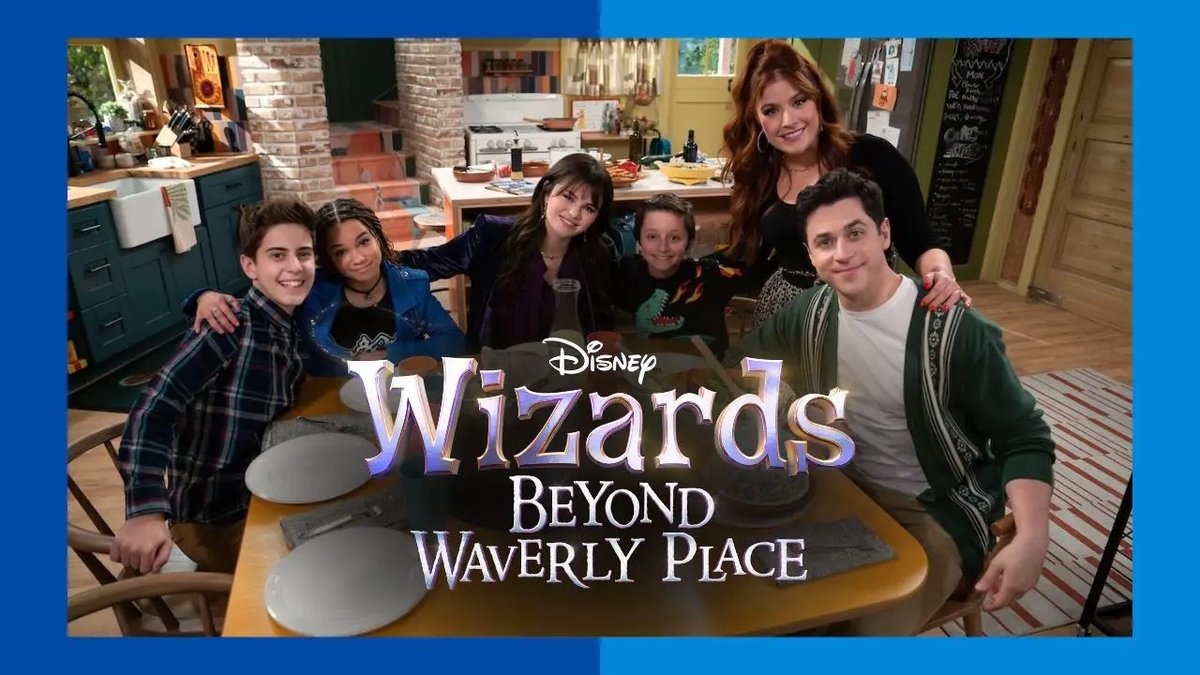
The enchanting world of Wizards of Waverly Place captured imaginations not just with its witty humor and relatable family dynamics, but with its utterly charming and surprisingly well-defined system of magic. For many, it was an introduction to a wizarding universe where everyday life collided with the extraordinary, giving us a peek into the delightful, often chaotic, Magic & Lore of Wizards of Waverly Place. This isn't just a guide; it’s an exploration into what made the Russo family’s hidden world so compelling, breaking down its unique rules, its memorable spells, and the fantastical beings that populated its corners.
At a Glance: Your Quick Guide to Waverly Magic
- Lineage, Not Choice: Wizards are born, not made. Magic is hereditary, usually passed down through one parent.
- The Contest: Only one wizard per family can keep their powers past adulthood, leading to the series' central conflict.
- Everyday Incantations: Spells are often whimsical, rhyming, and directly tied to immediate needs, like "Level up, I wanna go, to the 30th floor below."
- The Secrecy Act: Wizards must keep their existence hidden from mortals, leading to constant close calls and hilarious cover-ups.
- WizTech Oversight: A governing body, the Department of WizTech, ensures rules are followed and magic isn't abused.
- Unique Blend: WoWP blends classic magical tropes with a distinctly modern, urban fantasy twist, making magic feel both wondrous and grounded.
Beyond the Deli: What Defines a Wizard in WoWP?
In the vast landscape of fictional magic, Wizards of Waverly Place established a clear and charming identity for its magic users. Unlike Harry Potter's world where magic is a hidden society, or Marvel's where it's a mysterious force, a wizard in WoWP is fundamentally a person living a double life. You don't choose to be a wizard; you're born into it.
This hereditary nature is central to the show's premise. The magic flows through your veins, typically from one magical parent, like Jerry Russo. Your human parent, like Theresa, provides a grounding contrast, often bewildered by the magical chaos but fiercely protective of their magical children. This dynamic emphasizes that being a wizard isn't just about powers; it's about identity, family, and navigating two very different worlds simultaneously. It’s a core distinction that sets the stage for every spell, every adventure, and every comedic mishap.
The Russo Family: A Unique Magical Crucible
At the heart of our exploration is, of course, the Russo family: Jerry, the former wizard who gave up his powers for love; Theresa, the spirited mortal mom; and their three magically-inclined children, Justin, Alex, and Max. This unconventional setup created a unique training ground for magic, hidden right beneath a sandwich shop in New York City.
Their challenge? The infamous "one wizard" rule. This isn't just a quirky plot device; it's the fundamental engine of the series, creating constant tension, rivalry, and surprising moments of sibling solidarity. The rule dictates that only one child from each wizard family can retain their powers into adulthood. This high-stakes "Contest" ensures that while they learn and grow, the shadow of a future decision looms large, driving much of their magical education and personal development. Understanding the intricate rules of the wizard contest is key to appreciating the pressures and motivations that shaped the Russo kids. Every magical lesson, every spell cast, every mishap, brings them closer to that ultimate, life-altering showdown.
Unpacking the Magic: How Spells and Charms Take Shape
The magic in Wizards of Waverly Place is distinctively playful and immediate. It's less about grand, epic battles (though those do happen) and more about solving everyday problems (or creating new ones) with a flick of a wand and a rhyming couplet.
Verbal Incantations: The Power of Poetic Expression
The most recognizable aspect of WoWP magic is its verbal component. Spells are almost always spoken, and often, they rhyme. These incantations aren't just for show; they're precise commands. From simple transformations like "Ten-minute shopping spree, make it free" to complex time manipulations, the words are crucial. This makes the magic feel accessible and fun, providing a unique personality to each spell. It's a subtle nod to classic fairy tales while giving the show its own modern twist. If you mispronounce a word or forget a phrase, the magic either won't work or, more likely, will backfire spectacularly.
Wands & Their Role: More Than Just Sticks
While many spells can be cast wandless by experienced wizards (and often are by Alex in a pinch), wands are fundamental tools for young wizards. They act as conduits, focusing and amplifying magical energy. Each wizard has their own wand, often personalized. They're not just fancy sticks; they’re extensions of the wizard's will and power. Breaking a wand can render a wizard powerless, highlighting its importance not just as a tool, but as a symbol of their magical capability.
The Spellbook & Its Secrets: A Family Heirloom
The Russo family spellbook is a character in itself. Handed down through generations, it's a compendium of spells, rules, and magical knowledge. It's a source of great power and, often, great temptation. While Jerry tries to guide his children with its wisdom, Alex often finds creative (and mischievous) ways to interpret its contents. This book represents the accumulated lore of their family, a tangible link to their past, and a guide for their magical future, often with hilarious and unexpected consequences when pages are misinterpreted or spells are misread.
Potions & Concoctions: The Alchemist's Touch
Beyond instant spells, WoWP also features potions. These are typically brewed with specific ingredients, often taking time and precision. Potions tend to have more lasting or complex effects than instant spells, ranging from love potions to transformation brews. They often serve as devices for comedic subplots, showcasing the dangers of amateur alchemy when handled by the likes of Max Russo.
Portal Magic & Travel: The Sub-Station and Beyond
One of the cooler aspects of WoWP magic is the ease of inter-dimensional travel. The Russo family's "Sub-Station" isn't just a subway station; it's a magical portal hub, allowing wizards to travel instantly to various magical realms, other dimensions, or even distant locations on Earth. This system expands the show's scope beyond Waverly Place, introducing new cultures, creatures, and magical challenges, making the world feel vast and interconnected. This is just one example of the myriad types of spells and magical methods wizards employ.
The Unwritten Rules: Limitations, Ethics, and Consequences
Magic in WoWP isn't a free-for-all. A stringent set of rules and limitations governs its use, not just for practical reasons but for ethical ones. These restrictions are what often drive the plot, forcing the characters to think critically about their actions.
The Secrecy Act: Keeping Magic Under Wraps
Perhaps the most paramount rule is the Secrecy Act, which strictly prohibits wizards from exposing magic to mortals. Break this rule, and you risk severe penalties, including losing your powers. This creates constant tension for the Russo kids, who must juggle their mundane lives with their magical secrets. It’s a recurring source of comedic hijinks, as they frantically try to cover up magically-induced messes or erase mortals' memories. This rule isn't just about hiding; it's about maintaining balance between the magical and non-magical worlds.
WizTech Regulations: Banned Spells and Discipline
The Department of WizTech, the governing body of the wizarding world, has a comprehensive rulebook. Certain spells are explicitly forbidden due to their dangerous nature or potential for widespread chaos. Using these spells or repeatedly misusing magic can lead to severe punishment, from magical probation to temporary power removal. This system instills a sense of responsibility (or attempts to) in young wizards, emphasizing that magic is a privilege, not just a toy. The ethical dilemmas of magic use are often front and center, pushing characters to consider the wider impact of their choices.
Magical Repercussions: The Unintended Price
Even when spells aren't outright forbidden, they often come with unintended consequences. Magic isn't perfect, and a poorly worded spell or an ill-conceived magical solution can lead to a bigger problem than the one it was trying to solve. These backfires, often played for comedic effect, serve as crucial lessons for the Russo siblings, teaching them caution and the importance of thinking through the potential outcomes of their actions.
Treasures and Territories: Key Magical Items and Locations
The world of Wizards of Waverly Place is rich with memorable magical artifacts and secret spots that are almost characters themselves.
The Russo Lair: The Heart of Magic Education
Beneath the bustling Waverly Place Sub Shop lies the Russo family's Lair. This isn't just a basement; it's their personal magical classroom and sanctuary. Here, Jerry instructs his children, and they practice spells, often making spectacular messes. It's equipped with various magical devices, a vast collection of potions, and, of course, the family spellbook. The Lair is where the children's magical journey truly unfolds, a place of learning, mischief, and family bonding.
The Sub-Station: Gateway to Anywhere
As mentioned earlier, the Sub-Station (a hidden platform beneath the Lair) is a pivotal location. It's a nexus for magical travel, connecting the Russo family to various magical dimensions, realms, and even historical periods. This innovative concept expands the scope of their adventures exponentially, allowing for encounters with diverse magical species and exposing them to broader wizarding culture.
The Family Spellbook: A Tome of Power and Peril
More than just a book, the Russo family spellbook is a repository of generations of magical knowledge, from basic charms to advanced transformations. It's treated with reverence (mostly) and is often the first resort for the Russos when faced with a magical problem. Its ancient pages hold secrets, warnings, and the occasional recipe for disaster if not handled with care.
Other Notable Artifacts
Throughout the series, the Russos encounter a plethora of other magical items, each adding flavor and plot points:
- The Genie Lamp: Offering wishes, but always with a monkey's paw twist.
- Time Travel Watch: A device that allows jumps through history, always leading to temporal paradoxes.
- Orb of Glendora: A scrying tool providing glimpses of the future.
- Cupid's Bow: Capable of making people fall in love (or hate) instantly.
These items illustrate the boundless creativity within the WoWP magical universe.
A Menagerie of Wonders: Magical Beings and Creatures
The wizarding world isn't populated solely by humans with magic. Wizards of Waverly Place introduced viewers to a vibrant ecosystem of fantastical creatures, many of whom became recurring characters or central to specific episodes.
- Vampires: Often presented as stylish and somewhat snooty, like the Van Heusen family, who are rivals and sometimes friends to the Russos.
- Werewolves: Portrayed with a blend of fear and humor, they are another species trying to live hidden among mortals.
- Genies: Powerful beings trapped in lamps, bound to grant wishes but known for their tricky interpretations.
- Goblins: Typically depicted as mischievous, greedy, and often working in the magical underground.
- Angels & Dark Angels: Representing forces of good and evil, they add a layer of cosmic morality to the world.
- Fairies: Often presented as vain and self-centered, but capable of potent magic.
- Aliens: From benevolent visitors to chaotic invaders, their inclusion adds a sci-fi twist to the magical premise.
- Mythical Creatures: Minotaurs, centaurs, leprechauns, and various other beasts frequently make appearances, integrating classical mythology into the modern urban fantasy setting.
Interactions with these fascinating magical creatures often provide unique challenges and moral quandaries for the Russo family, broadening their understanding of the diverse magical landscape.
The Department of WizTech: Guardians of the Wizarding World
No magical society is complete without its governing body, and in Wizards of Waverly Place, that role falls to the Department of WizTech. This organization acts as both an educational institution and a law enforcement agency for wizards.
Professor Crumbs and the WizTech Council
Leading the charge for most of the series is the enigmatic and often amusing Professor Crumbs, the Headmaster of WizTech. He's a powerful and ancient wizard, responsible for overseeing wizard education, enforcing the rules, and presiding over the all-important Contest. The WizTech Council, a group of senior wizards, assists him in maintaining order and making crucial decisions within the wizarding community. Their presence adds a layer of authority and consequence to the Russos' actions, ensuring that their magical misdeeds don't go unnoticed. Delve deeper into the workings of the Department of WizTech to understand the intricate bureaucracy that keeps the magical world running smoothly.
Justin's Path to WizTech
A significant plot point later in the series involves Justin Russo's progression within WizTech, eventually becoming a professor and even Headmaster. This arc highlights WizTech's role not just as a regulatory body but as a career path for talented wizards, demonstrating the long-term implications of mastering magic and adhering to its principles. It emphasizes responsibility and dedication to the magical community.
The Contest: A Test of Skill, Character, and Family Bonds
The "Wizard Contest" isn't merely a backdrop; it's the core conflict that defines the Russo family's magical journey. This brutal tradition dictates that only one child from a wizard family can keep their powers permanently. The others become mortal.
Why the Contest Exists
While never fully explained in exhaustive detail, the Contest serves as a means to prevent an overpopulation of wizards, ensuring that magic remains a special, hidden force. It's a trial by fire, designed to determine which wizard is most responsible, skilled, and worthy of wielding power. This premise forces the Russo siblings to constantly evaluate their ambitions, their magical prowess, and their relationships with each other.
The Stakes and the Final Showdown
The Contest involves a series of challenges designed to test a wizard's knowledge, control, and character. The ultimate showdown is a highly competitive, multi-stage event, often taking place in a mystical arena. For Alex, Justin, and Max, it's not just about winning; it's about what winning means for their family. The decision to participate, the alliances they form (and break), and the sacrifices they consider all lead up to that one fateful moment. It's here, in the crucible of the Contest, that you truly explore Alex Russos world as she grapples with her destiny and the immense pressure placed upon her.
Beyond the Broadcast: WoWP's Unique Take on Magic
What truly makes the Magic & Lore of Wizards of Waverly Place stand out from other beloved magical franchises? It’s the ingenious blend of the mundane and the mystical, always anchored in family.
Unlike the sprawling, hidden societies of Harry Potter or the epic, world-saving stakes of other fantasy narratives, WoWP grounds its magic firmly in everyday life. Wizards live in regular houses, go to public schools, and face mortal problems like getting detention or dealing with crushes. Magic isn't just about fighting dark lords; it's about cleaning your room, avoiding chores, or getting out of a sticky social situation. This approach makes the magic feel incredibly relatable and accessible, even as it maintains its wonder.
The show's humor also plays a significant role. The silliness of the rhyming spells, the frequent backfires, and the constant scramble to hide magic from mortals infuse the show with a lightheartedness that never diminishes the underlying power of the magic itself. It embraces its comedic potential while still exploring deeper themes of responsibility, family, and self-discovery.
Common Magical Misconceptions Debunked
You might have some lingering questions about how magic truly operates in Waverly Place. Let's clear up a few common misconceptions:
- "Can mortals learn magic?" No. In the WoWP universe, magic is an inherited trait. While mortals like Theresa are deeply involved in the magical world, they cannot wield magic themselves. It's a strict genetic lottery.
- "Are all wizards good?" Absolutely not. The wizarding world has its share of villains and morally ambiguous characters, from dark wizards like Gorog to mischievous magical beings. Just like any population, wizards encompass a full spectrum of personalities and intentions.
- "Is there only one wizarding world?" The show primarily focuses on the "North American" wizarding community overseen by WizTech, but it alludes to other magical communities and realms (e.g., the Wizarding World Games), suggesting a broader global magical infrastructure.
- "Do all spells rhyme?" While most spells the Russos use rhyme, especially those learned early on, more advanced or specific spells sometimes deviate from this. The rhyming scheme often serves as a mnemonic and a stylistic choice for the show.
The Enduring Charm: Why WoWP's Magic Still Resonates
The Magic & Lore of Wizards of Waverly Place continues to captivate audiences because it understood a fundamental truth: magic is most compelling when it feels both extraordinary and intimately connected to the human experience. It wasn't just about powerful incantations or fantastical creatures; it was about a family navigating the complexities of growing up, sibling rivalry, and personal responsibility, all amplified by the chaotic, wonderful force of magic.
The show taught us that magic isn't just a tool; it's a part of who you are, shaping your identity and your relationships. It’s a legacy that blends humor, heart, and just the right amount of sparkle, reminding us that even in the most ordinary places, extraordinary things can happen. So next time you're facing a tricky situation, you might just find yourself wishing for a quick spell – just remember to make it rhyme!