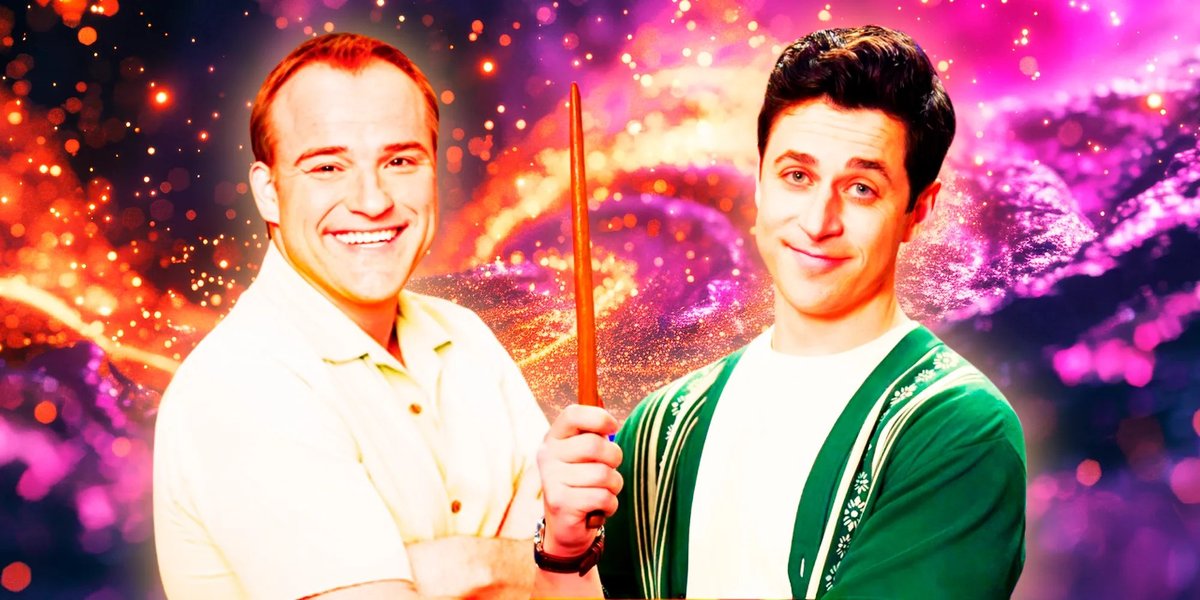
The bustling, often magical world of Greenwich Village’s Waverly Place may seem like a distant memory for some, but its cultural impact and enduring legacy continue to ripple through pop culture. "Wizards of Waverly Place," Disney Channel's beloved fantasy-comedy, wasn't just another teen sitcom; it was a phenomenon that expertly blended slapstick humor, heartfelt family drama, and fantastical elements to create a show that defined a generation. More than a decade after its groundbreaking finale, the Russo family's magical mishaps and life lessons still resonate, demonstrating a remarkable staying power that few shows achieve.
At a Glance: Why Wizards of Waverly Place Still Matters
- Pioneering Blend: Successfully combined family sitcom tropes with serialized fantasy, influencing a new wave of Disney Channel programming.
- Star-Making Vehicle: Launched Selena Gomez's global career, transforming her from a Disney darling into an international music and acting icon.
- Emmy Recognition: Won multiple Primetime Emmy Awards for Outstanding Children's Program, cementing its critical acclaim.
- Diverse Representation: Featured a prominent mixed-heritage family, subtly normalizing diverse family structures on screen.
- Timeless Themes: Explored universal ideas of family loyalty, responsibility, identity, and the challenges of adolescence through a magical lens.
- Record-Breaking Success: Its series finale became the most-watched in Disney Channel history, a testament to its widespread appeal.
- Enduring Relevance: Continues to find new audiences through streaming and has even spawned a highly anticipated sequel series, "Wizards Beyond Waverly Place."
Beyond the Wand: What Made Waverly Place Magic?
At its core, "Wizards of Waverly Place" invited us into the lives of the Russo siblings: Alex, Justin, and Max. By day, they were ordinary New York City teens, helping their parents run the Waverly Sub Station. By night (and often during the day), they were wizards-in-training, navigating a secret world of spells, enchantments, and otherworldly creatures. Their father, Jerry, a former wizard who relinquished his powers for love, tutored them, setting the stage for the ultimate, life-altering challenge: the Family Wizard Competition. This ancient law decreed that only one Russo child could retain full magical abilities into adulthood, fueling both sibling rivalry and an unbreakable bond.
The genius of "Wizards" lay in its ability to use magic not as a simple plot device, but as a potent metaphor. The problems caused by magic used irresponsibly weren't just about comical chaos; they were often exaggerated versions of real teenage struggles with identity, responsibility, and the consequences of their actions. The core message, woven into every spell and every mishap, was profound: family bonds and love are far more powerful than individual ambition or magical ability. True strength, the show argued, comes from integrity, selflessness, and mutual support.
Meet the Wizards: Character Arcs that Resonated
The Russo family wasn't just a collection of characters; they were a dynamic ensemble, each undergoing significant growth that made them deeply relatable, magic or no magic.
Alex Russo: The Reluctant Hero's Journey
Alex, portrayed with mischievous charm by Selena Gomez, began as the quintessential rebellious, artistically inclined middle child. Her early motivations were often self-serving, summarized perfectly by quotes like, "Look, I'll handle it like I handle all of life's problems. Ignore it until it goes away." Yet, her journey was one of profound transformation. We watched her evolve from a lazy, sarcastic rule-breaker into a fiercely loyal and responsible young woman, whose ultimate act of self-sacrifice—giving up her winning position in the Wizard Competition for her brother—was a powerful testament to her love for her family. Delve deeper into her multifaceted persona with All about Alex Russo.
Justin Russo: Brains, Rules, and a Changing Worldview
Justin, the eldest, was the epitome of studious and rule-abiding. Motivated by academic achievement and recognition, he often found himself exasperated by Alex's antics. His arc taught us the value of integrity over strict adherence to rules. While he initially appeared to win the competition, his selfless decision to cede it to Alex, recognizing her true heroic act, solidified his maturity. His subsequent appointment as WizTech headmaster, with his powers restored, offered a satisfying resolution that validated his intellectual prowess and benevolent leadership.
Max Russo: Finding Joy Beyond the Magic
The quirky youngest brother, Max, provided much of the show's comedic relief. His motivations were delightfully simple: finding joy in everyday pleasures. His arc explored finding identity outside of magical ability. Though he lost his powers in the competition, inheriting the Waverly Sub Station provided him with a fulfilling, grounded path that celebrated his unique, mortal contributions to the family.
Jerry and Theresa: The Mortal Compass
Jerry, the patriarch, was the former wizard who gave up his powers to marry Theresa, their mortal mother. His arc revolved around preparing his children for the competition while simultaneously teaching them not to depend excessively on magic. Theresa, the grounded and ever-supportive mother, served as the family's anchor, representing the mortal world and the importance of everyday life. Together, they embodied the series' central theme: love and family transcend even the most powerful magic.
Symbolism and Subtext: Deeper Meanings Behind the Magic
"Wizards of Waverly Place" wasn't shy about weaving subtle, yet significant, symbolism into its narrative. These elements helped to underscore the show's deeper themes and make its fantastical world feel more tangible and meaningful.
The Waverly Sub Station: Grounding the Fantastic
More than just a set, the Waverly Sub Station was a powerful symbol. It represented the Russo family's connection to the mortal world, their daily responsibilities, and the foundation of their life. It was a constant reminder that a fulfilling existence, one built on hard work and human connection, could thrive even without magic. In a show about incredible powers, the Sub Station was the literal and metaphorical ground beneath their feet. Its eventual inheritance by Max, the non-magical sibling, perfectly encapsulated this idea. You can read a deeper dive into the significance of its Greenwich Village setting to appreciate its role further.
Magic Wands: Power and Identity
A wizard's wand wasn't just a tool; it was an extension of their power, control, and identity. Learning to master the wand was akin to mastering oneself, reflecting the responsibility that comes with great ability. The loss or breakage of a wand often signified a character's vulnerability or a significant internal struggle, emphasizing the personal connection to their magic.
The Family Wizard Robe: The Weight of Legacy
The coveted Family Wizard Robe symbolized status, legacy, and the ultimate achievement as the sole wizard of the family. It represented the culmination of years of training and the heavy burden of responsibility that came with retaining full magical powers. Its significance wasn't just in the magic it conferred, but in the lineage and tradition it embodied.
Plot Points that Cast a Spell: Memorable Moments and Their Impact
Over its four seasons, "Wizards of Waverly Place" delivered countless memorable episodes that pushed character development, explored complex themes, and cemented its place in Disney Channel history.
Navigating Teenage Life with a Magical Twist
- "Quinceañera": This episode saw Alex switch bodies with her mother, a classic comedic trope turned poignant. It allowed Alex to gain empathy and appreciate her family's heritage, reinforcing the importance of understanding another's perspective.
- "Harper Knows": A pivotal moment where Alex finally reveals her magical secret to her best friend, Harper. This not only integrated Harper into the magical world but also deepened their friendship, highlighting themes of trust and authenticity. The slow burn to this revelation was a masterful example of serialized storytelling within a sitcom format.
Love in a Supernatural World
- "Wizards vs. Werewolves": This arc introduced Alex's werewolf boyfriend, Mason, and Justin's vampire girlfriend, Juliet. These relationships raised the emotional stakes considerably, proving that love could blossom even between rival supernatural species, and added layers of complexity to the siblings' already complicated lives.
- "Wizards Unleashed": Building on the supernatural romances, this episode saw Alex restore Mason, showcasing her selfless use of powers and solidifying their relationship. It underscored her growing maturity and willingness to use her magic for good, even at personal cost.
The Grand Finale: A Masterclass in Subversion
"Who Will Be the Family Wizard?" This highly anticipated series finale was a record-setter, becoming the most-watched finale in Disney Channel history with nearly 10 million viewers. It wasn't just a competition; it was a profound test of family bonds and character.
The siblings, in a moment of true unity, were temporarily disqualified for saving their friends, a critical choice that ultimately proved their worth. Justin technically won the competition, but in a selfless act, he forfeited to Alex, acknowledging her earlier sacrifice in saving him. Alex was then named the Family Wizard. But the surprises didn't end there: Professor Crumbs, recognizing Justin's leadership qualities and integrity, appointed him WizTech headmaster, restoring his powers. Max, without powers, happily inherited the Waverly Sub Station, finding his unique path grounded in the mortal world. This ending brilliantly subverted the "winner-take-all" premise, showing that all three siblings found fulfilling paths that celebrated their individual strengths and, most importantly, their unbreakable family love.
The finale implicitly questioned the intricacies of the Wizard Competition rules, suggesting that family love and selflessness transcended the system's inherent unfairness.
A Tapestry of Themes: What Wizards Taught Us
"Wizards of Waverly Place" was rich with thematic depth, using its magical premise to explore universal human experiences.
Family Over Everything: The Core Message
This was the undisputed heart of the show. Despite their squabbles, rivalries, and magical mishaps, the Russo siblings consistently chose each other. The ultimate resolution of the Wizard Competition, where selflessness and mutual support prevailed, cemented the idea that family bonds are more powerful and rewarding than individual ambition. This message resonates strongly in the enduring power of family bonds in fantasy narratives across many different series.
Responsibility and Consequences: Magic as a Metaphor
Magic in "Wizards" was never a free pass. It was a potent metaphor for power, and the show consistently emphasized the responsibility that came with wielding it. Every irresponsible spell led to complications, forcing the siblings to learn from their mistakes and understand the far-reaching impact of their actions. This theme highlighted that true growth comes from grappling with consequences, not from easy magical solutions.
The Dual Nature of Identity: Balancing Worlds
The Russos lived a double life: ordinary teens and secret wizards. This duality explored the complexities of identity, particularly during adolescence. Balancing their magical responsibilities with mortal friendships, school, and family life forced them to confront who they were in different contexts and how to integrate those parts of themselves authentically.
Adolescence, Amplified: Relatability in the Fantastic
The show brilliantly amplified the turmoil of adolescence through its magical elements. The everyday struggles of fitting in, dating, academic pressure, and sibling rivalry became even more dramatic when a spell could go awry or a monster could crash a party. This exaggeration made the teenage experience both wildly entertaining and deeply relatable.
Unpacking the Philosophy: Questions the Show Posed
Beyond its immediate entertainment value, "Wizards of Waverly Place" subtly encouraged viewers to ponder deeper questions about fairness, growth, and the nature of power.
The Ethics of the Competition: Is Family Love the True Power?
The series implicitly questioned the ethics of the Wizard Competition itself. Why was such a harsh, "winner-take-all" system necessary? The show's ultimate answer, as demonstrated by the finale, was that family love, selflessness, and integrity transcended the system's flaws. It suggested that true power lies not in exclusive magical ability, but in the bonds we forge and the sacrifices we make for those we love.
Growth vs. Easy Magic: The Value of Hard Lessons
"Wizards" consistently demonstrated that easy magical solutions often hindered personal growth. Characters, especially Alex, frequently tried to magic their way out of problems, only to find themselves in worse predicaments. The underlying philosophy was clear: effort, learning from mistakes, and facing challenges head-on—without a magical crutch—are crucial for maturity and genuine character development.
Fan Theories and Alternative Lenses: Expanding the Wizarding World
The show's rich lore and dedicated fanbase naturally led to various interpretations and imaginative theories, further cementing its cultural footprint.
Stevie's Stand: A Tragic Hero?
One compelling alternative interpretation centers on the character of Stevie, a rebellious wizard who tried to dismantle the Wizard Competition, believing all wizards should retain their powers. While she was portrayed as an antagonist, many viewers saw her as a tragic hero with valid motivations. Her actions sparked conversations about systemic injustice and the right to individual autonomy, making her character far more complex than a simple villain.
The Harry Potter Dystopian Theory: A Darker Read?
Perhaps the most intriguing (and darkest) fan theory suggests that the Wizard World of Waverly Place is a dystopian alternate universe of "Harry Potter" where Voldemort won. Proponents of this theory cite the harsh rules, severe punishments, and the restrictive nature of the Wizard Competition as evidence of a society living under the long shadow of authoritarian control. While purely speculative, it highlights the depth of engagement fans had with the show's underlying lore.
A Pop Culture Phenomenon: Wizards of Waverly Place's Enduring Legacy
Beyond its narrative, "Wizards of Waverly Place" left an indelible mark on the landscape of popular culture, shaping careers, influencing television, and setting new benchmarks for children's programming.
Disney Channel's Crown Jewel: Ratings, Awards, and Influence
"Wizards" wasn't just popular; it was critically acclaimed. The show won two Primetime Emmy Awards for Outstanding Children's Program in 2009 and 2010, a significant achievement that recognized its quality storytelling and production. Its consistent high ratings, culminating in the most-watched finale in Disney Channel history, proved its widespread appeal and cemented its status as a cornerstone of Disney Channel programming in the late 2000s and early 2010s.
Launching Stardom: The Selena Gomez Effect
Perhaps its most visible legacy is its role as the launching pad for Selena Gomez's meteoric rise to global stardom. Her portrayal of Alex Russo resonated deeply with audiences, showcasing her comedic timing, dramatic range, and undeniable charisma. "Wizards" provided her with the platform to transition from a beloved child actor to a successful musician, entrepreneur, and adult actress, influencing millions worldwide.
Breaking New Ground: Representation and Storytelling
The series was notable for featuring a mixed-heritage family, with the Russo parents representing Italian and Mexican backgrounds. While not always explicitly central to the plot, this subtle integration of diversity was significant for its time, normalizing varied cultural backgrounds on a major children's network. It was an important step in reflecting the diverse audience watching at home.
The Ripple Effect: How It Shaped Future Shows
"Wizards of Waverly Place" masterfully blended the episodic, laugh-track driven family sitcom with elements of serialized fantasy drama. This unique formula proved incredibly successful and influenced subsequent shows, demonstrating that young audiences were ready for more complex, ongoing narratives within a comedic framework. It helped pave the way for the evolution of Disney Channel sitcoms toward more character-driven storytelling.
The Next Chapter: "Wizards Beyond Waverly Place"
The enduring love for the Russo family is so strong that the story is set to continue. A sequel series, "Wizards Beyond Waverly Place," premiered in 2024, bringing back original cast members and introducing a new generation of magical characters. This revival speaks volumes about the original show's lasting appeal and the desire of fans to revisit this beloved world. You can find more details about the new series, 'Wizards Beyond Waverly Place' and its connection to the original saga.
Audience Reception: Why We Loved It (and Still Do)
From its debut, "Wizards of Waverly Place" captured the hearts of millions, solidifying its place as a beloved classic.
Critical Acclaim and Fan Devotion
The show garnered widespread popularity and consistently high ratings throughout its run. Audiences praised its sharp humor, the undeniable chemistry among its cast, and, in particular, Selena Gomez's charismatic performance as Alex Russo. Fans connected deeply with the sibling dynamics, the magical wish fulfillment, and the underlying lessons about growing up.
Fair Criticisms and Enduring Affection
While overwhelmingly positive, audience reception wasn't without its criticisms. Some viewers questioned the fairness of the "one wizard per family" rule, highlighting the inherent tension it created. Others pointed out occasional inconsistencies in the magical logic—a common challenge for any show dealing with a complex fantasy system. However, these minor quibbles did little to diminish the show's overall appeal. "Wizards of Waverly Place" is overwhelmingly remembered as a cherished and iconic part of Disney Channel's golden era.
Behind the Scenes Magic: Fun Facts and Easter Eggs
Even the most dedicated fans might not know all the fascinating tidbits that went into creating the magical world of Waverly Place.
- Original Concept: The show was originally titled "The Amazing O'Malley's" and was initially conceived to be set in Ireland with a magic shop. The shift to a New York City sub shop gave it its unique, grounded charm.
- Actor as Writer: David Henrie, who played Justin Russo, actually wrote two episodes of the series, showcasing the cast's creative involvement.
- Souvenir Wands: As a testament to their time on the show, the main actors were allowed to keep their wands as mementos, a tangible piece of their magical journey.
- Hidden Tributes: Many of the spell names, like "Murrieta-Animata," were clever references to production crew members, an inside joke for those working behind the camera.
- Disney Channel Record: At 106 episodes, "Wizards of Waverly Place" was Disney Channel's longest-running series at the time, a testament to its longevity and success.
- Pop Culture Parodies: WizTech and Professor Crumbs were delightful parodies of Hogwarts and Dumbledore, a playful nod to the broader wizarding world genre that fans enjoyed spotting.
- Rebellious Art: In one subtle Easter egg, Alex paints an anarchy symbol, perfectly reflecting her rebellious and anti-establishment nature.
- Broadway Nod: A poster for the iconic Broadway musical 'Rent' could be spotted in the Waverly Sub Station, adding a touch of New York realism to their fantastical world.
Your Burning Questions Answered: Wizards of Waverly Place FAQs
Got lingering questions about the Russo family's magical life? Here are some quick answers to common queries:
Who wins the Wizard Competition?
Alex Russo ultimately wins the Wizard Competition. While Justin technically achieves the highest score, he forfeits his victory to Alex, acknowledging her earlier selfless act of saving him.
What happens to the losers?
The "losers" find their own fulfilling paths. Justin becomes the headmaster of WizTech and has his powers restored by Professor Crumbs. Max loses his powers but happily inherits the Waverly Sub Station.
Why did Jerry give up his powers?
Jerry Russo gave up his wizard powers to marry Theresa, his mortal wife. Wizarding law at the time forbade mixed marriages (between wizards and mortals), so he transferred his abilities to his brother, Kelbo.
Is Waverly Place a real location?
Yes, Waverly Place is a real street in Greenwich Village, New York City. However, the Waverly Sub Station itself is a fictional establishment.
When does Harper find out about magic?
Harper Finkle, Alex's best friend, discovers the Russo family's magical secret in Season 2, Episode 9, titled "Harper Knows."
Why was the Wizard Competition necessary?
The show states the Wizard Competition is an ancient, unbreakable law within the wizarding world, ensuring only one child per generation retains full magical abilities. An in-universe explanation for its original necessity isn't definitively provided, making it a major point of discussion and criticism among fans.
The Spell Lingers: Why Wizards of Waverly Place Still Charms
"Wizards of Waverly Place" was more than just a show about spells and secret identities; it was a heartwarming narrative about the messy, magical journey of growing up within an extraordinary family. Its blend of humor, fantasy, and relatable adolescent struggles, coupled with its groundbreaking success and lasting impact on its stars and the television landscape, ensures its place in the pantheon of beloved pop culture staples. The series taught us that true power isn't about conjuring fireballs or teleporting across continents, but about the unwavering love, loyalty, and selflessness we find in our closest relationships. As the Russo family's story continues with a new generation, the original's spell, one of family, laughter, and a little bit of magic, continues to enchant audiences old and new.